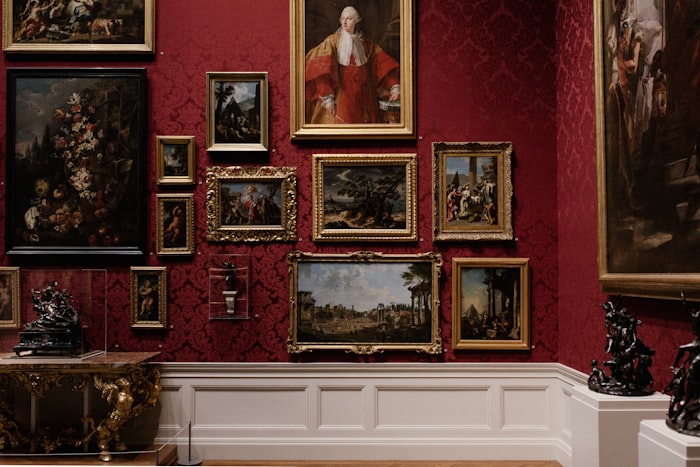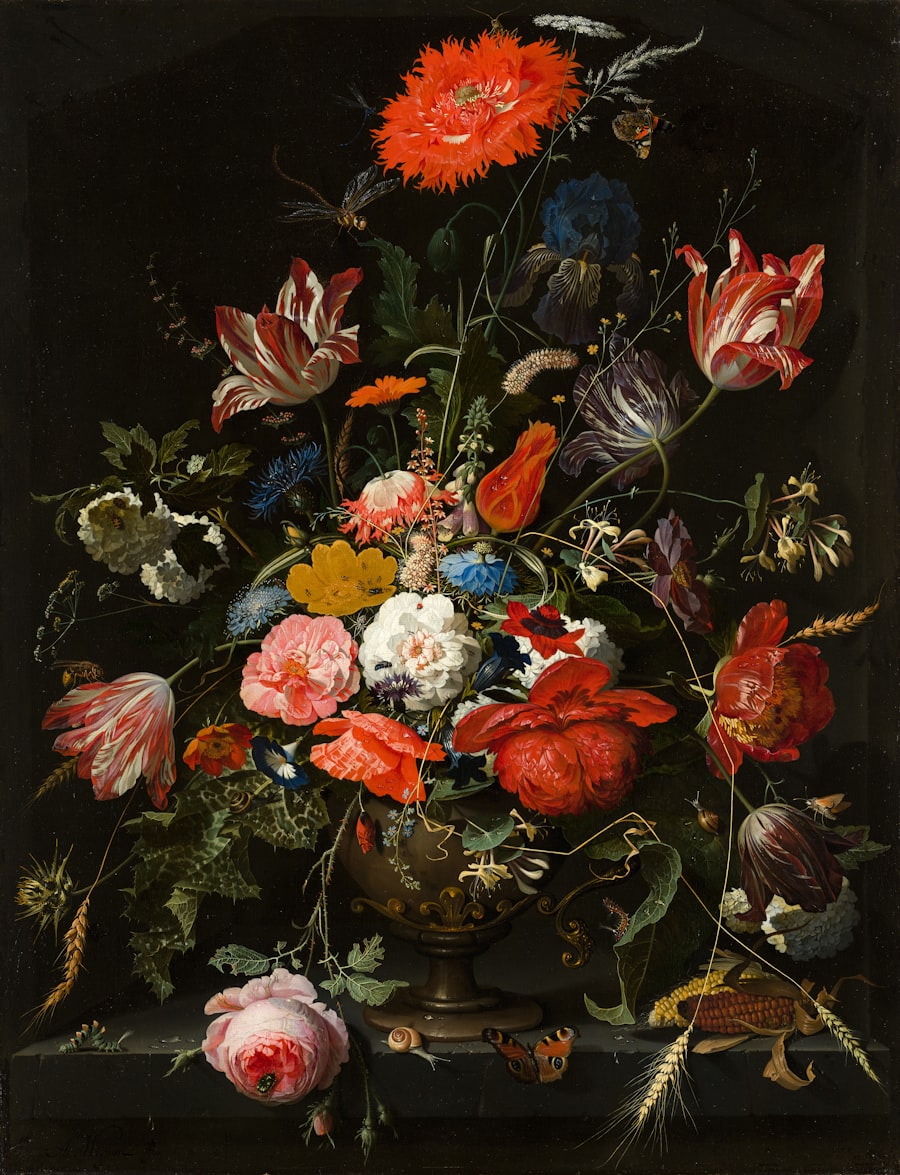
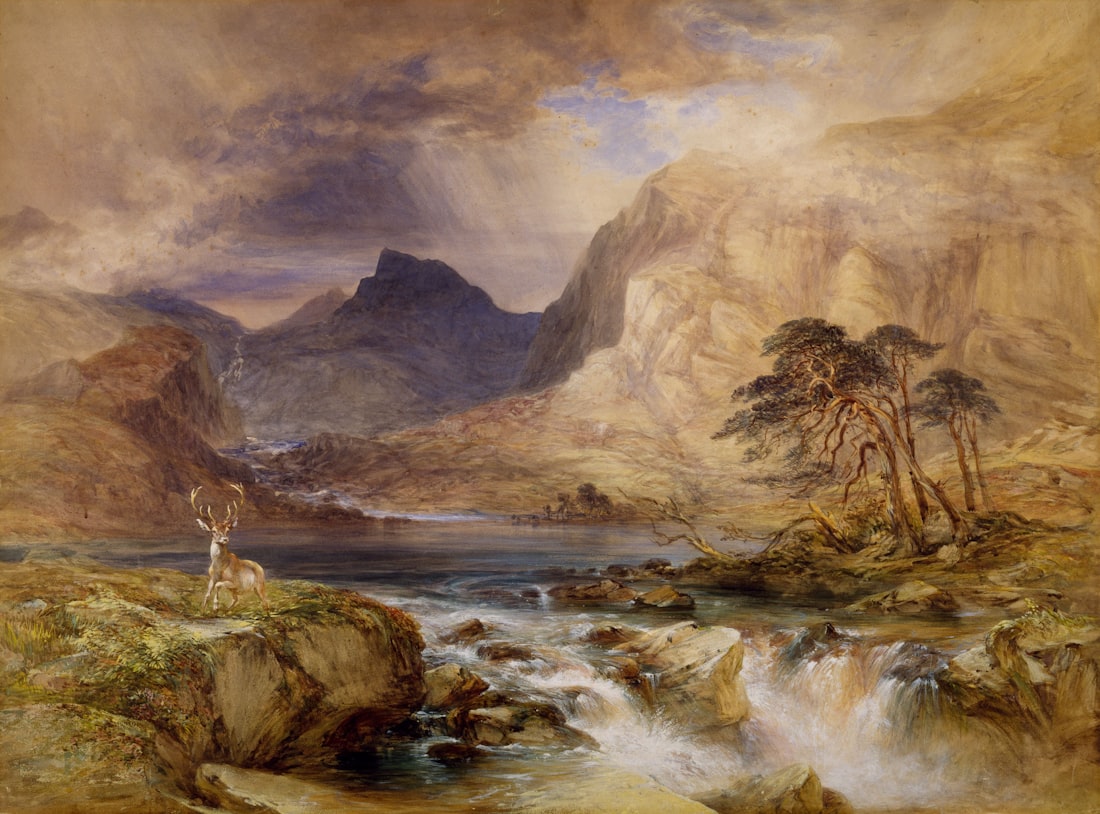
A small east London show with an unreasonable ambition.
Seven painters, one rented industrial unit, no curator. The result is one of the more interesting group shows we've seen this year — and a useful argument about what a show is actually for.
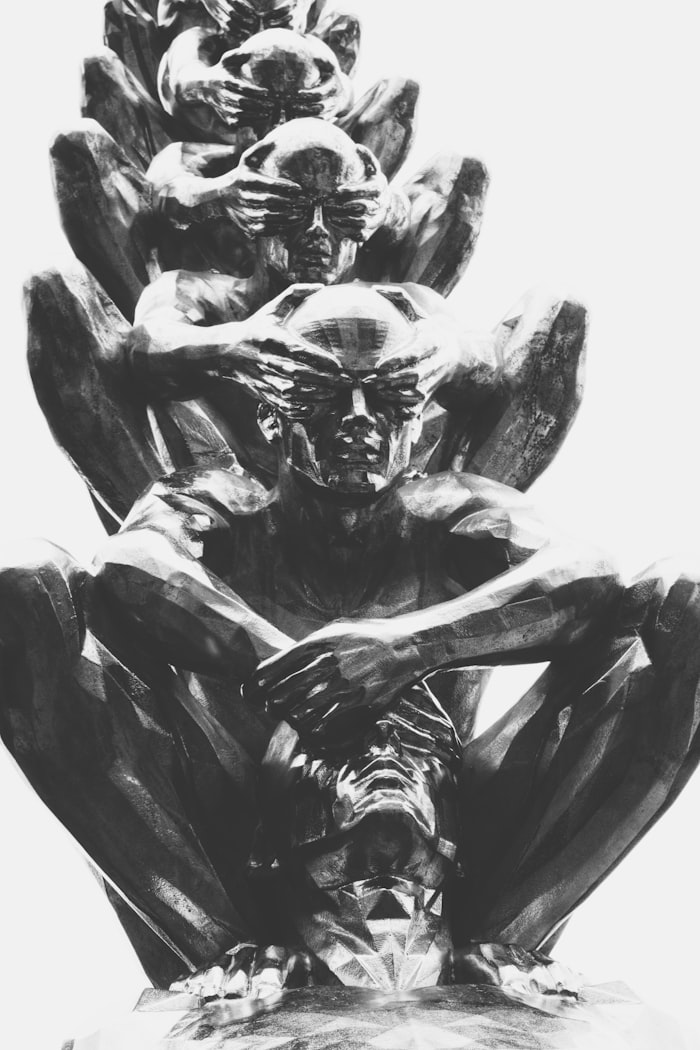
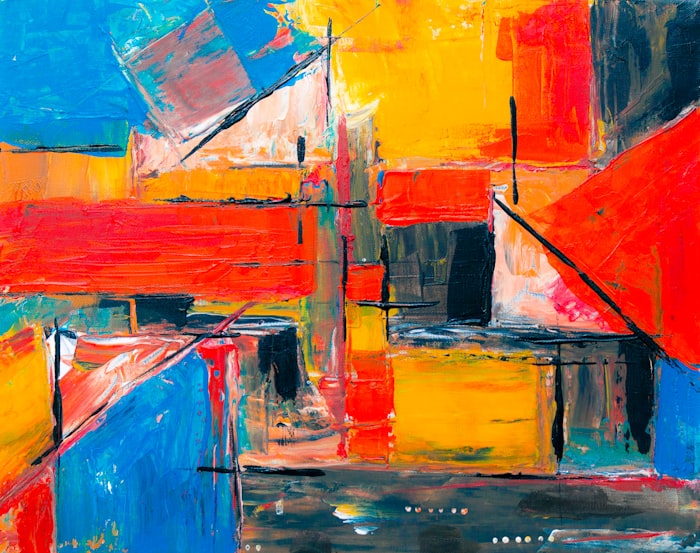
For most of the past two decades, the dominant scale in contemporary painting has been very large. A loose cohort of British and European painters, working at the opposite extreme, is making the case for the work that fits in two hands.

Seven painters, one rented industrial unit, no curator. The result is one of the more interesting group shows we've seen this year — and a useful argument about what a show is actually for.

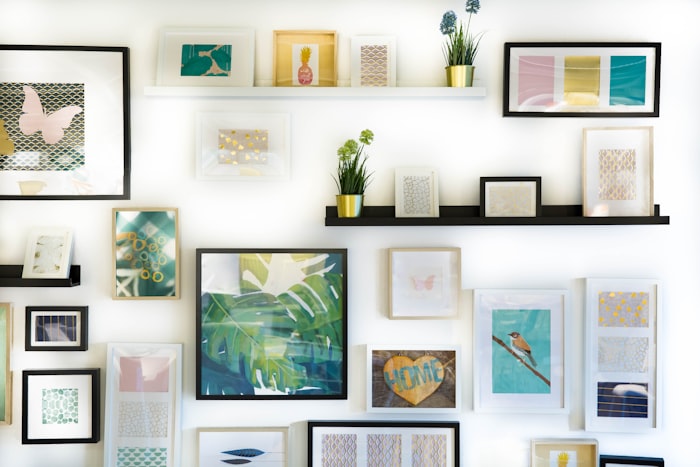
Stone, salt, and a single year-long preparation.

No frames, no titles, no prices. The gallery's most quietly subversive show in years.

The most disciplined photographic show of the season — and a quiet rebuke to the form.

A long meditation on how 35mm slides shaped the way a generation of artists looked at their own work — and what was lost when we stopped projecting.

Why "the studio is where the work happens" is, in 2026, less true than at any point in the past century — and what that means for how we write about practice.

She has made nearly four thousand prints. She has shown perhaps fifty. The work, she says, was never for the room. We spent an afternoon at her workbench.

One room, one show at a time, one visitor at a time.